
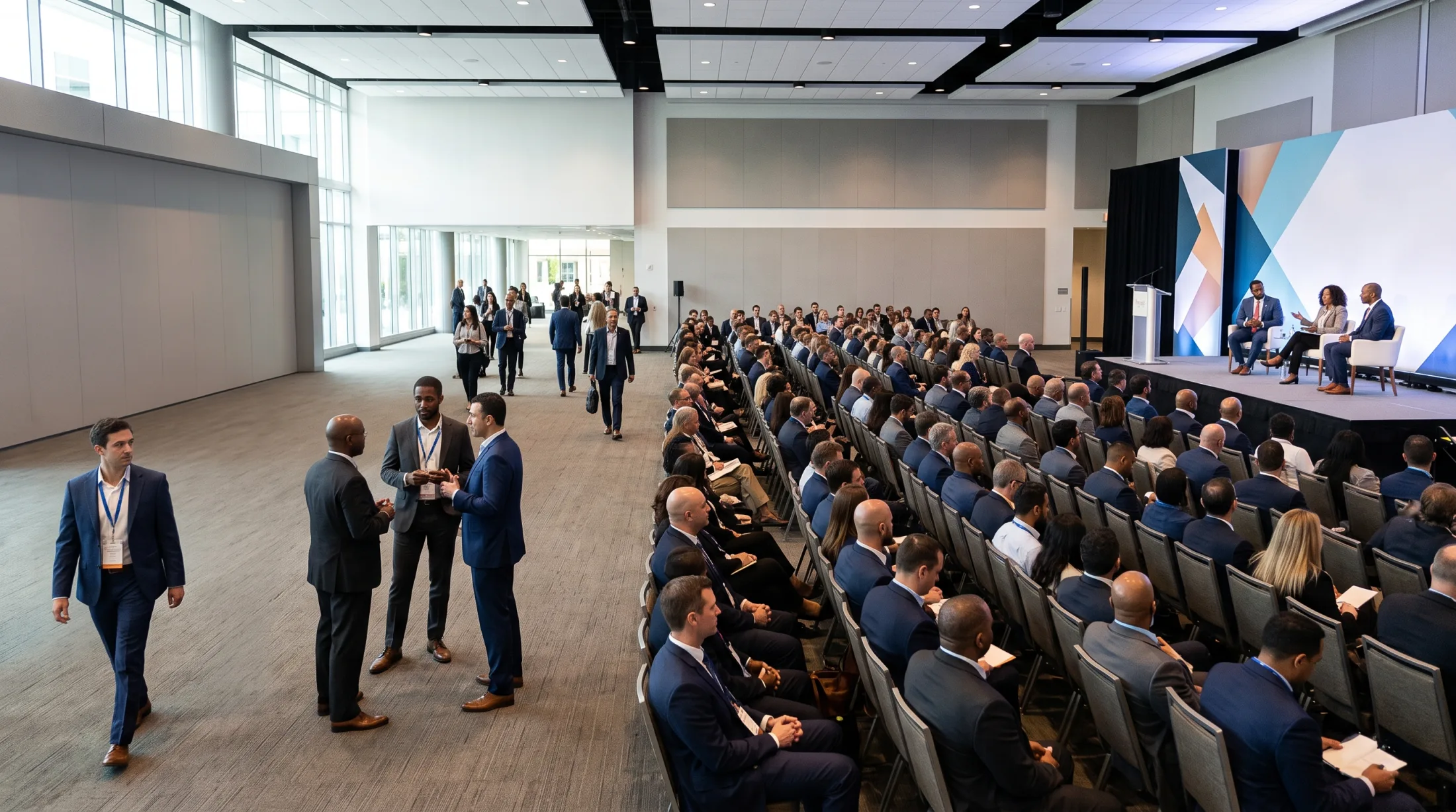
Government, contractor, and association events in Baton Rouge (70812), Louisiana
Give a formal program a clear guest path, decision structure, and event-day command plan.
ASE coordinates registration, venue details, accessibility, speakers, officials, vendors, room setup, hospitality, security interfaces, documentation, and onsite execution around your organization’s requirements.
Document protocol and approval responsibilities before invitations and scripts are final.
Plan public, member, employee, official, and VIP guest groups separately where needed.
Coordinate with the venue, security, legal, public-affairs, facilities, and agency contacts designated by your organization.
Keep event logistics neutral, professional, accessible, and aligned with the approved program.
Programs ASE can support
Formal events need logistics that respect the organization and the audience.
The operating model can support public-facing, member, contractor, community, leadership, and internal programs without assuming the same protocol for each.
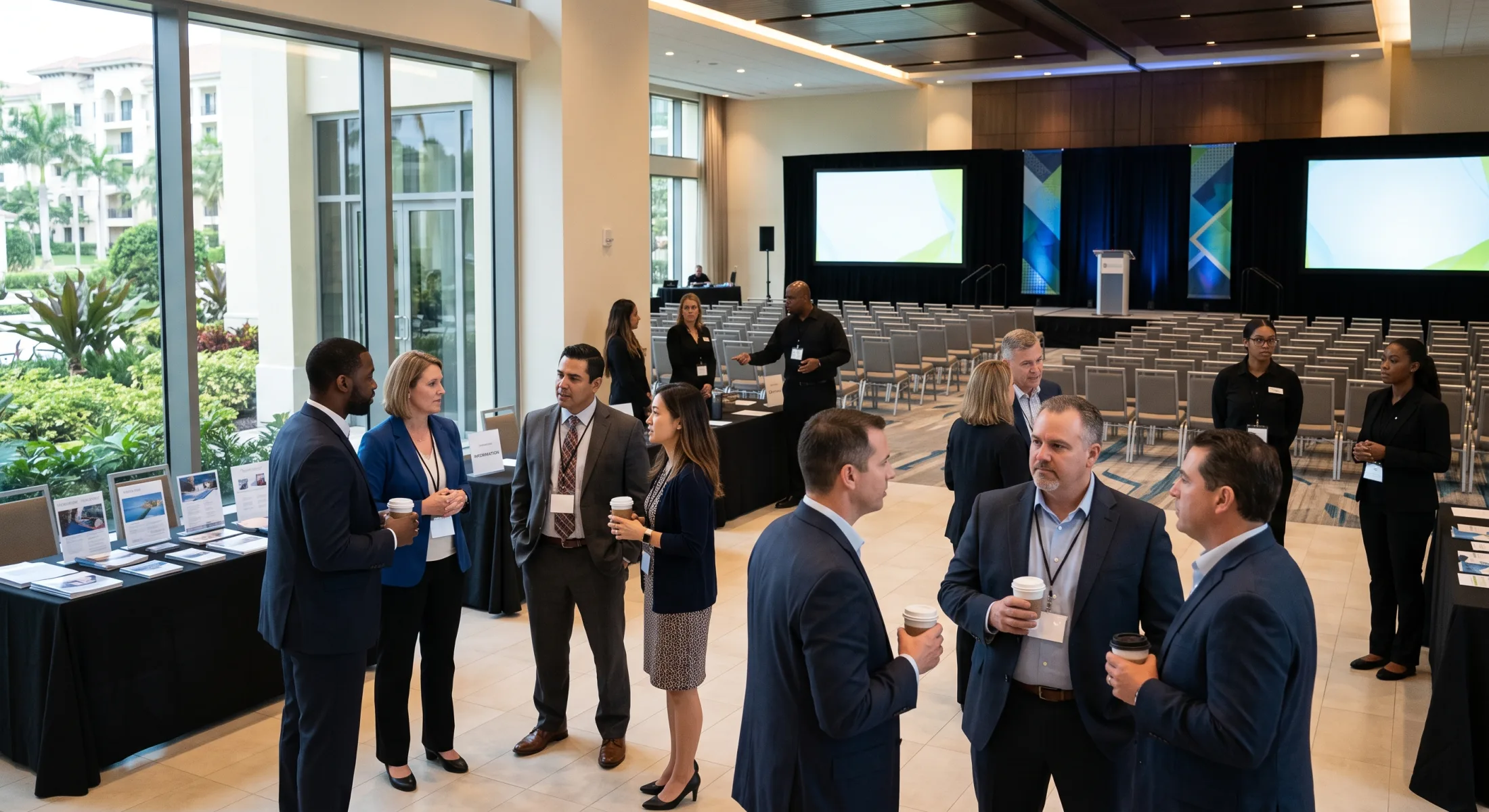
Government-contractor meetings
Client, partner, supplier, workforce, training, program, recruiting, or stakeholder events with formal approval and documentation requirements.
Association conferences and meetings
Member registration, boards, committees, speakers, sponsors, exhibitors, awards, receptions, and annual programs.
Public programs and community events
Open attendance, officials, media, accessibility, security coordination, weather, public information, and guest movement.
Groundbreakings and ribbon cuttings
Officials, ceremonial order, site safety, tents, sound, seating, signage, shovels or ribbon, media, and public access.
Leadership and stakeholder briefings
Controlled guest lists, presentations, private rooms, meals, transportation, protocol, and documentation.
Employee and recognition programs
Attendance, leadership participation, accessibility, awards, scripts, meals, AV, and internal communication.
Formal program requirements
Build the event around the authorities, policies, and guest groups involved.
ASE manages the logistics layer while your organization retains responsibility for legal, security, policy, public-affairs, and formal protocol decisions.
Governance and approvals
- Event owner and executive sponsor
- Procurement, contract, legal, public-affairs, security, facilities, finance, and communications contacts
- Approval deadlines for venue, budget, invitations, speakers, scripts, signage, media, vendors, and public information
- Authorized event-day decision maker
Officials, speakers, and protocol
- Invitation and confirmation process
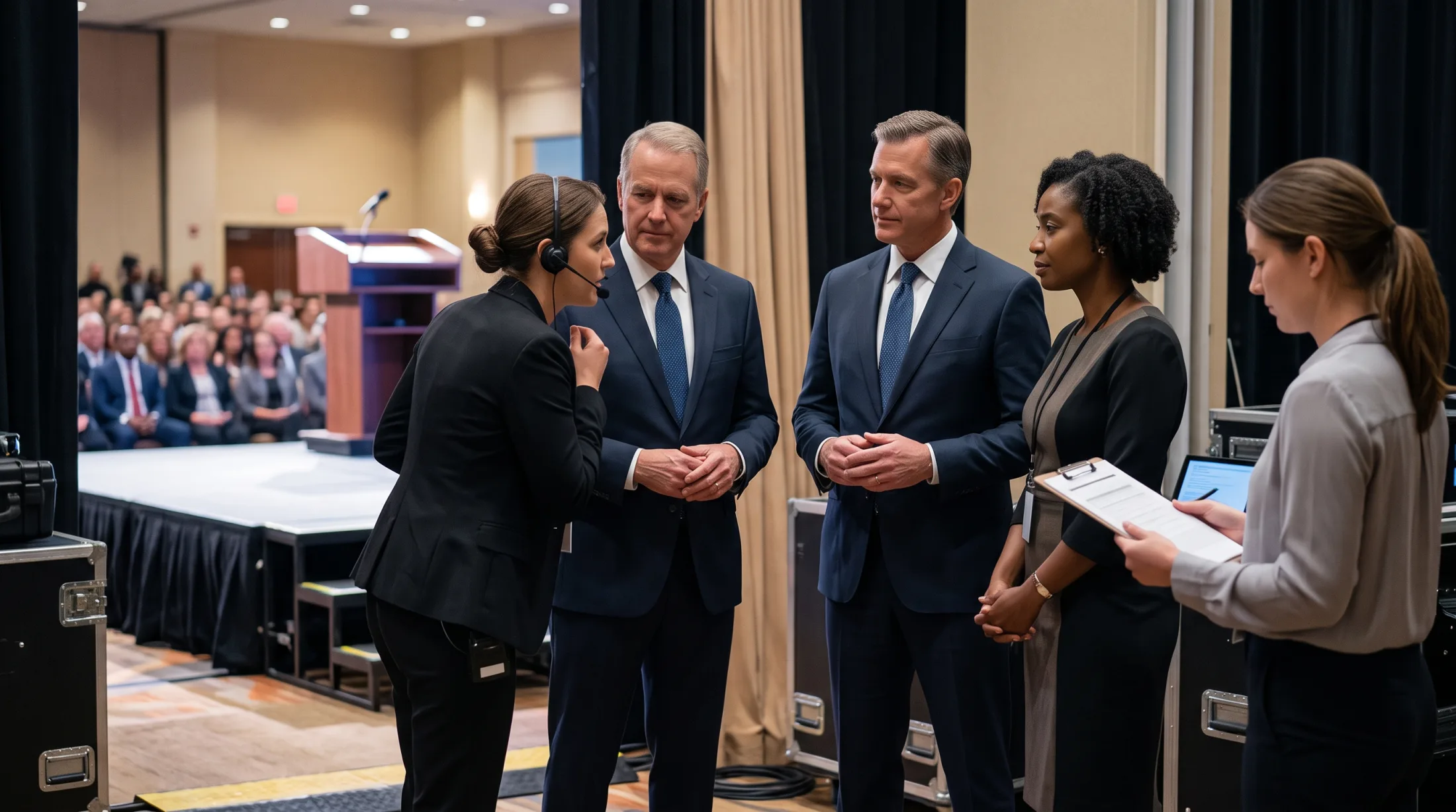
- Titles, names, pronunciation, introductions, speaking order, seating, holding areas, and escorts
- Arrival, parking, security screening, briefing, stage route, media, and departure
- Flags, seals, logos, acknowledgments, ceremonial elements, and protocol supplied by your organization
Public access and accessibility
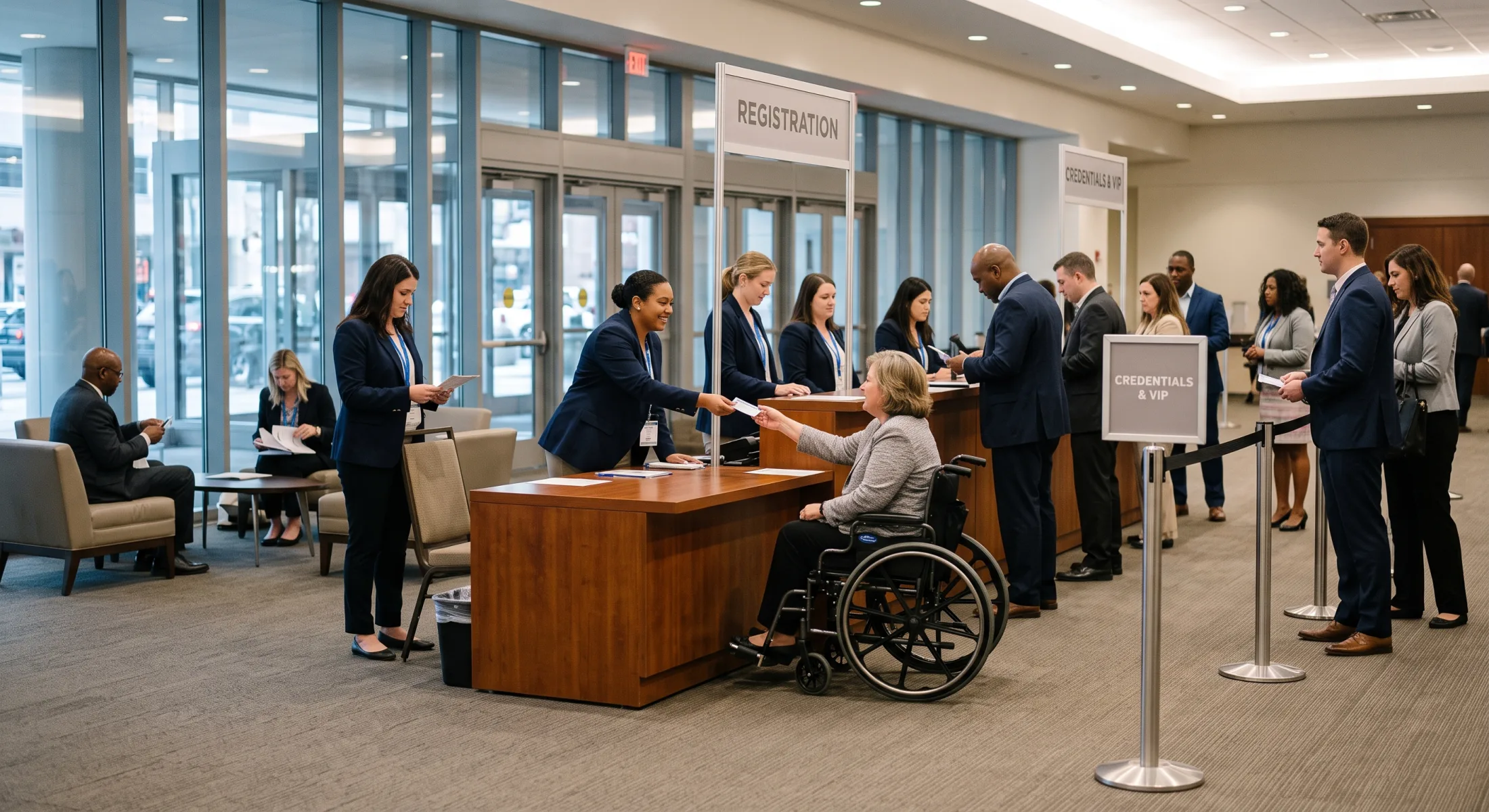
- Open, invited, registered, credentialed, or mixed attendance
- Capacity, parking, transportation, entrances, screening, weather, and overflow
- Accessible routes, seating, restrooms, communication, and accommodation process
- Language, interpretation, captioning, hearing, visual, or other services required by the organization
Documentation and vendors
- Solicitation, registration, insurance, invoicing, purchase-order, reporting, or record requirements
- Venue, AV, catering, rentals, tents, sanitation, transportation, security, signage, photography, and media suppliers
- Approved scopes, contacts, access, schedule, payment, and change authority
- Run of show, contact sheet, room plan, vendor schedule, and incident escalation path
How the planning process stays controlled
Formal approval does not have to mean fragmented execution.
The planning system should show which decisions require institutional approval and which operational tasks can move within an approved scope.
Map authorities and deadlines
Identify the event owner, required reviewers, procurement path, public or member communication process, and immovable dates.
Build the approved event plan
Translate objectives, protocol, accessibility, venue, registration, speakers, vendors, security interfaces, and budget into working documents.
Coordinate participants and suppliers
Confirm guests, officials, speakers, venue, vendors, scripts, arrival instructions, room plan, rehearsals, and escalation contacts.
Lead the onsite operation
Manage setup, check-in, holding areas, speaker cues, guest movement, suppliers, schedule changes, and closeout under the approved authority structure.
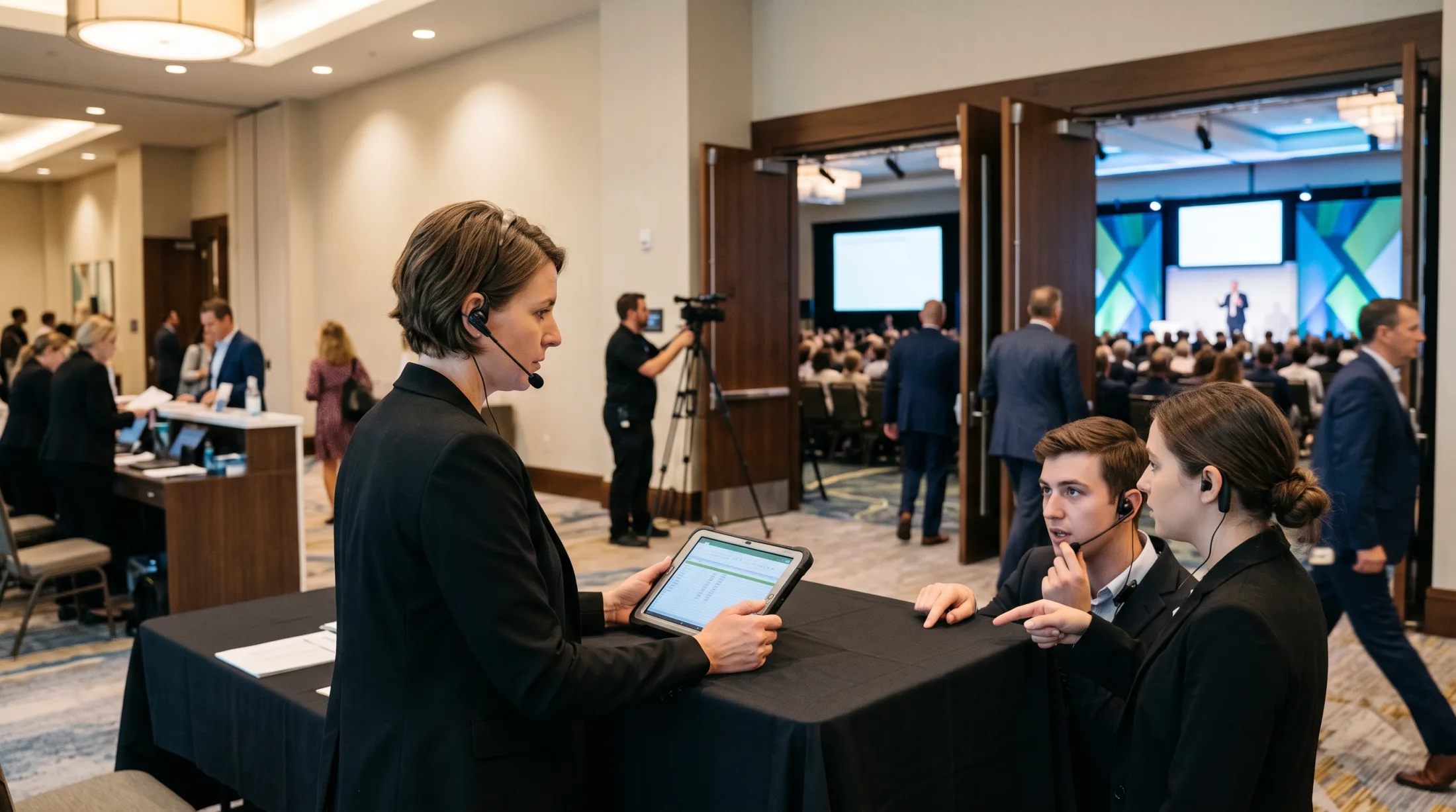
Questions that should be resolved before event day
Avoid leaving protocol and public-facing decisions to live judgment.
These questions often affect invitations, vendors, room design, staffing, and the run of show.
Who has final authority onsite?
Name the person who can approve schedule, spending, safety, guest, media, or protocol changes.
Which parts of the event are public?
Clarify open access, invited sections, credentialed areas, media areas, restricted rooms, and capacity.
How are officials and speakers handled?
Document arrival, parking, screening, escort, briefing, holding, seating, introduction, speaking, media, and departure.
What accessibility services are required?
Confirm the route, seating, restrooms, communication, interpretation, captioning, transportation, and request process.
What information is subject to approval?
Identify scripts, names, titles, signage, invitations, public notices, media language, sponsor or partner recognition, and visual assets.
What documentation must be retained?
Follow your organization’s requirements for contracts, attendance, vendor records, approvals, incidents, photos, invoices, or post-event reporting.
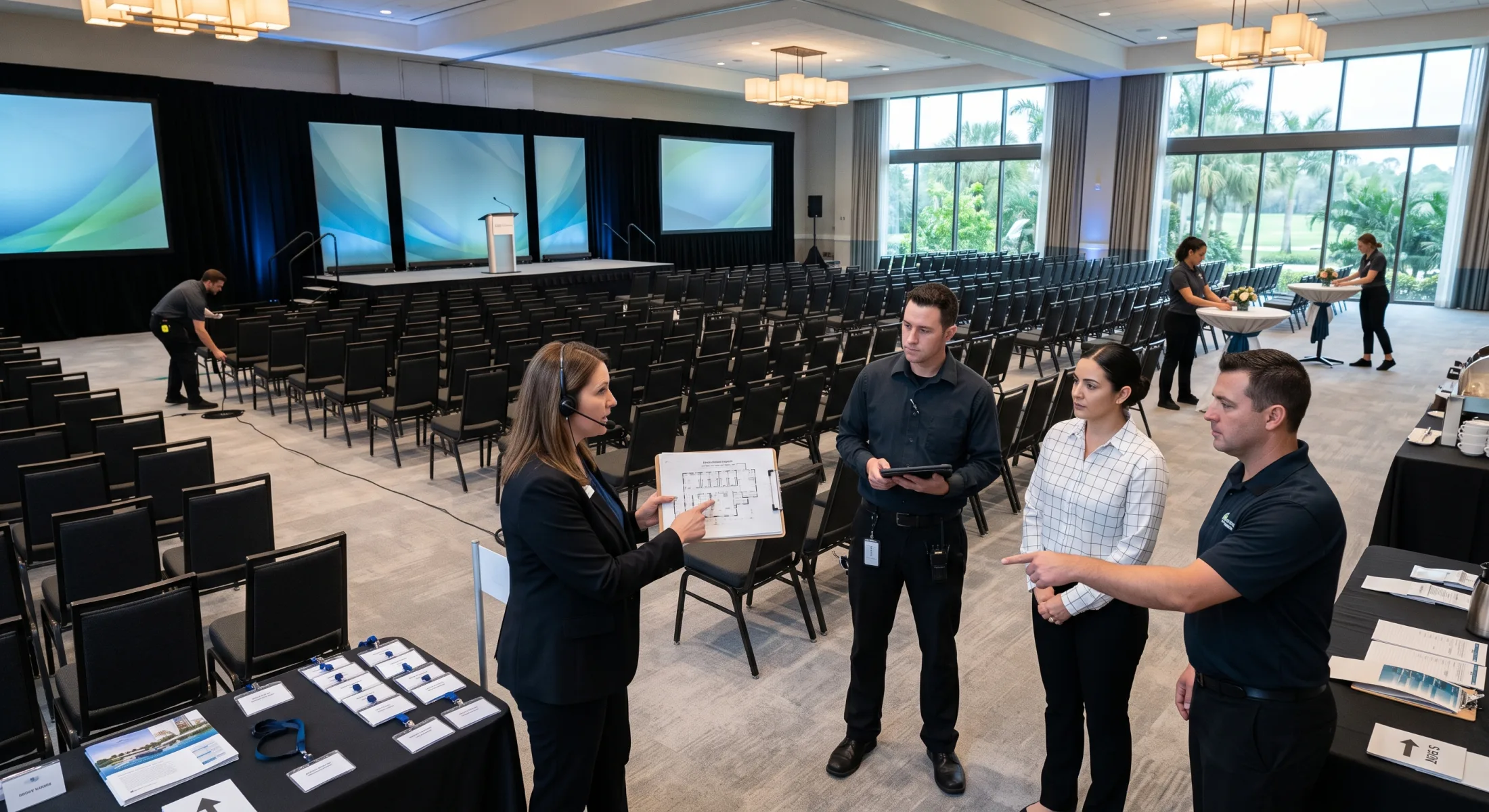
Connect the formal program to the right service
Use the page that addresses the operational requirement.
Conference Planning
Members, registration, speakers, sessions, sponsors, exhibitors, AV, catering, and multi-room programs.
Registration & Check-In
Public, member, VIP, official, speaker, media, employee, and credentialed guest handling.
Onsite Coordination
Setup checks, venue and vendor management, speaker cues, guest movement, escalation, and closeout.
Grand Openings & Ribbon Cuttings
Officials, chambers, media, ceremonial programs, tours, weather, tents, sound, and public access.
Meetings & Annual Programs
Leadership sessions, boards, presentations, meals, awards, room setup, and run-of-show control.
Discuss the Program
Share the organization, event type, date, location, audience, procurement context, and the planning responsibilities you need to assign.
Who leads the work
Event planning led by Ashley Stanfill and supported by a defined business operation.
Ashley Stanfill holds an Event Planner certificate from IAP Career College and brings professional experience from The Breakers Palm Beach, Marriott Singer Island, and Admirals Cove. Her experience in discreet, high-service environments and real-time operations supports formal programs where protocol, guest treatment, presentation, and escalation must remain controlled.
Read Ashley's full bio, resume highlights, and credentials →Business management
Richard Troutner
Richard is ASE's Business Manager. He handles client inquiries, marketing, proposal and scope coordination, follow-up, commercial communication, and day-to-day business operations.
This structure lets Ashley remain focused on planning quality and event execution while the business side of the engagement continues moving.
Questions you may be asking
Clear answers about scope, procurement, accessibility, protocol, and responsibility.
Get clear on the scope, responsibilities, and the most practical next step.
Can ASE support events involving elected officials or public leaders?
ASE can coordinate schedules, arrival, introductions, seating, holding areas, ribbon-cutting or speaking order, guest movement, and venue logistics based on the protocol and approvals supplied by your organization.
Can ASE work within a formal procurement or supplier process?
Share the solicitation, vendor-registration, contract, documentation, insurance, invoicing, or approval requirements that apply. ASE can organize the event scope and response around the applicable process.
How are accessibility and public attendance handled?
The plan should address accessible routes, seating, restrooms, communication, registration, capacity, security, weather, transportation, and other requirements established by the venue and organization.
Does ASE provide security or legal compliance advice?
No. ASE coordinates event logistics with the security, legal, public-affairs, facilities, venue, and agency contacts designated by your organization. Those authorities retain responsibility for formal policy, legal, security, and compliance decisions.
Request planning support
Tell us what you know so ASE can recommend a practical next step.
A short overview is enough to start. Share the event type, timing, location, expected attendance, venue or vendor status, and where you need help.